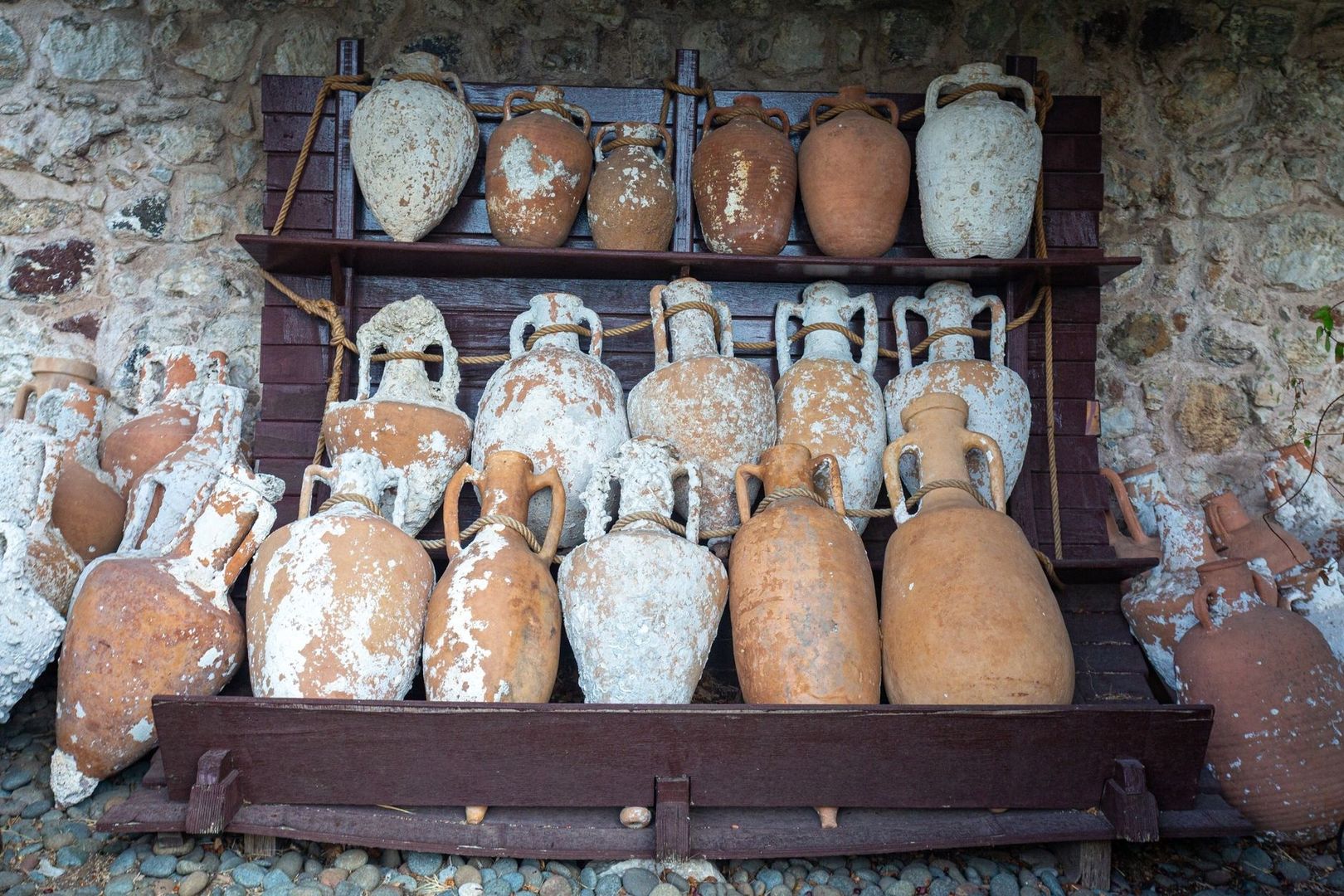
Rediscovering Ancient Clay in Modern Cellars
For winemakers seeking a vessel that reveals rather than reshapes a wine, the central question is no longer simply whether to use oak or stainless steel. It is how much oxygen, texture, and aromatic influence the wine actually needs. Clay amphorae have returned to contemporary cellars because they occupy a useful middle ground: they can permit gradual oxygen exchange while remaining largely neutral in flavor. That combination allows the grape, fermentation choices, and site character to remain more visible.
Stainless steel is highly reductive and technically precise. It protects primary fruit, preserves acidity, and makes temperature control straightforward, but it can sometimes leave a wine feeling angular or tightly wound. Oak, by contrast, contributes oxygen as well as compounds such as vanillin, oak lactones, toast-derived aromatics, and tannin. Clay can bridge these extremes. Properly fired earthenware may soften structure and encourage aromatic development without automatically adding a recognizable “barrel” signature. The principle is ancient: archaeological evidence places wine production in clay vessels thousands of years ago, with traditions extending from Georgia across the Mediterranean.
Vessel Architecture and the Physics of Micro-Oxygenation
Material is only the beginning. Clay performance depends on the vessel”s mineral composition, firing temperature, wall thickness, surface treatment, shape, and maintenance. Low-fired terracotta is relatively porous, allowing small amounts of oxygen to pass through its walls. Higher-fired stoneware and porcelain are substantially less permeable and may behave more like neutral, rigid containers. Stainless steel is effectively impermeable, while oak combines porosity with the chemical extraction of wood compounds.
The oxygen exchange associated with clay is gradual rather than dramatic. Microscopic pathways in the fired material can support slow micro-oxygenation, helping polymerize or soften certain phenolic components without the direct extraction of lactones, vanillin, or wood tannins found in oak. This does not mean every amphora produces the same result. An unlined, thin-walled jar can behave differently from a thick, beeswax-coated qvevri, and a vessel with a highly polished interior may offer a different microbial environment from raw clay.
Shape also matters. Egg-shaped and amphora-shaped vessels encourage convection during fermentation. As yeast activity warms the liquid and carbon dioxide rises, the wine circulates naturally, redistributing skins, juice, and lees. This movement can support more even extraction and contact without relying entirely on pumping over or manual punch-downs. Clay also has substantial thermal mass, particularly when walls are thick or vessels are buried. That mass can moderate temperature changes, although it does not replace active refrigeration or close cellar monitoring.
- Porosity: Earthenware usually permits more oxygen exchange than stainless steel, while firing and lining determine the actual rate.
- Flavor neutrality: Clay does not inherently contribute oak-derived vanilla, spice, toast, or wood tannin.
- Thermal behavior: Thick walls and underground placement can reduce abrupt temperature fluctuations.
- Geometry: Egg and amphora forms encourage internal circulation during fermentation and lees contact.
- Operational risk: Cracks, difficult cleaning, and variable permeability require disciplined cellar management.
Clay Versus Oak and Steel Across Key Parameters
The practical choice depends on the desired wine, not on the prestige of a material. Stainless steel is ideal when preservation of fresh fruit, sharp acidity, and aromatic precision is the priority. Oak is valuable when a wine needs oxygen exposure, tannin integration, structural seasoning, or a deliberate aromatic contribution. Clay is most compelling when the goal is textural development and controlled evolution without a strong vessel-derived flavor.
A controlled study of 2021 Negroamaro aged for six months across traditional Apulian amphorae, several oak configurations, and glass found clear differences in phenolic behavior, volatile compounds, color, and sensory expression. Amphora ageing supported the development of primary fruity and floral aromas and was associated with compounds including furaneol, while also helping stabilize anthocyanin-tannin complexes. French oak produced the highest phenolic and tannin levels in the trial. The findings from this study of Negroamaro in amphorae and barrels reinforce a central point: vessel selection is an enological tool, not merely a stylistic label.
| Vessel | Oxygen permeability | Flavor impact | Temperature regulation | Typical longevity and use |
|---|---|---|---|---|
| Earthenware clay | Low to moderate, highly variable | Generally neutral, with possible mineral or earthy perceptions | Moderate; stronger with thick walls or burial | Long service life if carefully maintained, but vulnerable to cracking |
| Neutral oak barrique | Low and gradual | Limited wood flavor, but still contributes some tannin and oxygen-related development | Moderate | Useful after primary extraction declines; eventually becomes less porous |
| Toasted oak barrique | Low and gradual | Vanilla, spice, toast, smoke, lactones, and wood tannin vary by origin and toast | Moderate | Finite aromatic and structural contribution, commonly rotated or replaced |
| Stainless steel | Effectively impermeable | Highly neutral | Excellent with active cooling or heating | Very durable, hygienic, and operationally efficient |
Clay tends to suit varieties whose identity can be obscured by aggressive oak, including aromatic whites, mineral-driven whites, light to medium-bodied reds, and grapes intended for skin-contact wines. It can also work with varieties that have firm tannins, provided extraction is carefully controlled. The vessel is not automatically gentle: extended maceration in an amphora can produce significant phenolic intensity. For collectors and sommeliers, the most useful question is whether the wine”s texture comes from grape structure, skin contact, lees, oxygen, or an interaction among all four.
The Living Heritage of Georgian Qvevri and Mediterranean Tinajas
Georgian qvevri represent one of the most distinctive clay traditions in wine. These large, egg-shaped vessels are commonly installed below ground, with only the opening accessible at cellar level. Burial provides insulation and stabilizes the surrounding temperature, while the shape supports fermentation, maceration, and settling. Traditional practice may involve fermenting white grapes on their skins, creating amber wines with pronounced tannin, savory complexity, and a distinctive textural profile.
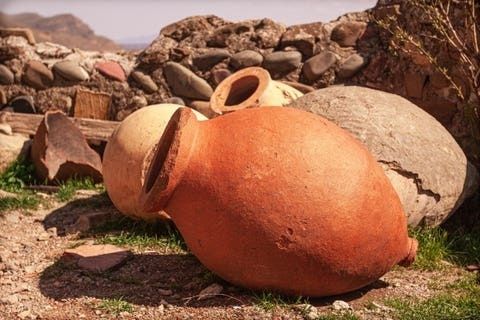
Construction quality is crucial. Qvevri are made from clay and fired, but their permeability is not uniform. Many are coated internally with beeswax, which helps seal pores, reduce liquid loss, and create a more manageable hygienic surface. A waxed vessel generally exchanges less oxygen than raw clay, although the exact effect depends on coverage, thickness, and the condition of the coating. Raw clay may offer greater permeability but demands especially careful cleaning and sanitation because cracks and rough surfaces can shelter microorganisms.
The historical record and modern practice should not be treated as interchangeable. A contemporary amphora made with controlled firing, standardized dimensions, and laboratory monitoring may produce a more predictable result than a handmade traditional vessel. At the same time, the traditional method offers a coherent system in which vessel, burial, skin contact, seasonal cellar conditions, and local grapes function together. A useful overview of Georgian kvevri tradition helps place the vessel within that broader cultural and technical context.
- Buried qvevri: The surrounding earth buffers temperature and supports long, steady fermentation.
- Beeswax lining: It reduces permeability and liquid loss, but requires inspection and careful renewal.
- Raw clay: It may encourage greater oxygen exchange while presenting more demanding sanitation challenges.
- Skin contact: Extended contact extracts tannin, color, aroma precursors, and structural compounds from grape solids.
- Settling: The egg shape can help solids migrate toward the lower point, although racking decisions remain essential.
Mediterranean tinajas and related vessels add further variation. Their size, firing, clay source, interior treatment, and placement may differ widely from Georgian qvevri. Some producers use them for fermentation, others for ageing, and some combine them with stainless steel or oak. The common thread is an attempt to let oxygen and geometry shape the wine without imposing a strong wood profile.
Sensory Markers and How to Taste Amphora Wines
Amphora wines are often described through texture before aroma. Tasters may notice a chalky or powdery impression, broader mid-palate volume, rounded acidity, and a more unvarnished expression of fruit. These terms should be used carefully. “Minerality” is not proof that minerals have migrated from clay into the wine, and earthy notes may reflect vessel condition, fermentation microbiology, grape variety, or cellar handling rather than the clay itself.
In red wines, amphora can preserve fruit while allowing tannin and color compounds to evolve. The Negroamaro research cited above found that amphora ageing encouraged fruit and floral development and supported color-related phenolic stability, while different oak treatments created stronger and more differentiated wood and tannin effects. The sensory result can be especially revealing when an amphora wine is tasted beside the same base wine matured in oak.
- Begin with temperature and glassware: Taste both wines at comparable temperatures and use the same clean glasses so vessel differences are not confused with service variables.
- Assess the nose before swirling: Look for primary fruit, floral notes, fermentation-derived aromas, and any oak markers such as vanilla, toast, coconut, or cedar.
- Swirl and compare development: Observe whether oxygen releases fruit and spice, or whether the wine remains more linear and reductive.
- Map the palate: Focus on attack, acidity, tannin grain, mid-palate weight, salinity, and finish length rather than relying only on aromatic intensity.
- Separate texture from flavor: Ask whether the wine feels more supple because of oxygen, lees interaction, polymerized tannin, or simple grape maturity.
Cellar protocols determine whether the vessel”s benefits outweigh its risks. Amphorae should be inspected for cracks before filling, cleaned without damaging the interior, and protected from unnecessary thermal shock. Headspace management remains important, especially after fermentation slows. Sulfur decisions should be based on pH, microbiological risk, dissolved oxygen, and the intended style rather than on a blanket natural-wine philosophy.
Lees settling also requires judgment. Leaving fine lees in contact can build volume and soften perception, but heavy solids or unstable microbial populations may create reduction, volatile acidity, or unwanted aromas. Gentle stirring may be appropriate in some vessels, although the narrow opening and fragile construction of certain amphorae make intervention difficult. Regular sensory checks, analytical measurements, and a clear racking plan are more reliable than assuming the vessel will self-regulate.
Navigating the Future of Terroir Through Ancient Materials
Clay is unlikely to replace steel or oak, and that is precisely its value. It adds a third option for wines that need neither complete isolation from oxygen nor a pronounced wood imprint. For sommeliers, clay-aged wines deserve service descriptions that explain texture, skin contact, and structural development rather than reducing them to the fashionable word “natural.” For collectors, provenance, vessel condition, closure, sulfur management, and producer consistency matter as much as the material itself.
Winemakers evaluating amphora should begin with a controlled trial: compare the same must or wine in steel, neutral oak, and clay; monitor temperature, dissolved oxygen, volatile acidity, pH, free sulfur dioxide, and sensory change; then assess the vessels over more than one vintage. Ancient craft becomes most useful when paired with modern measurement. The enduring lesson is not that clay is inherently superior, but that a carefully chosen vessel can preserve varietal character, refine texture, and make terroir easier to hear.